Seattle, Washington – As the edge rusher market continues to tighten, the Seattle Seahawks are once again forced to confront a familiar dilemma: maintain a proven defensive core or create space for emerging talent.
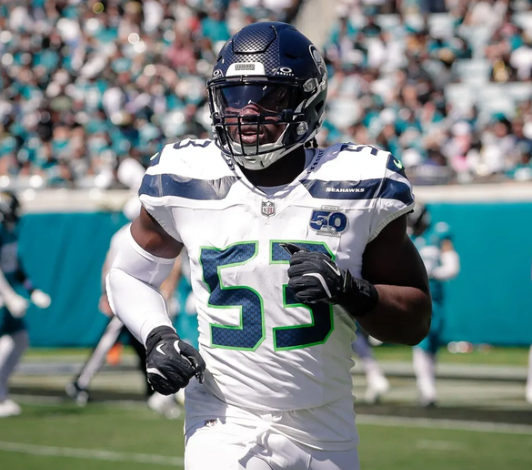
While several teams across the league aggressively pursued pass rushers this offseason, Seattle remained committed to its current defensive structure and veteran leadership.
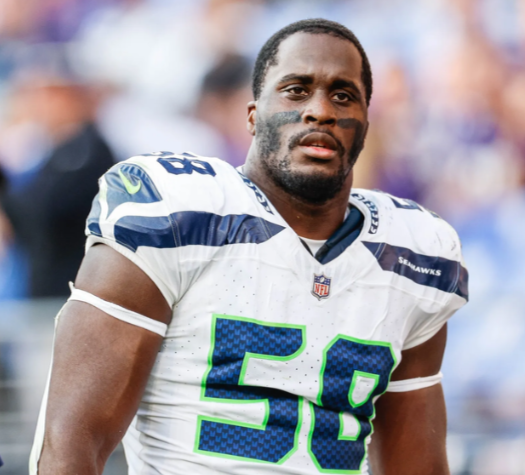
At the heart of that structure stands Leonard Williams, a dominant presence on the line and a key pillar in the Seahawks’ defensive identity.
But the market moved quickly.
Boye Mafe, a rising force within the rotation, made a decisive move by signing a massive four-year, $104 million deal with the Cincinnati Bengals.
Coming off a breakout 2025 season with 12 sacks, 58 tackles, and 20 quarterback hits, Mafe had firmly established himself as one of the league’s most promising young edge defenders.
Those numbers signaled a player ready to step into a featured role rather than remain part of a rotational system.
But for Seattle, the equation extended beyond production.
Williams’ presence, consistency, and leadership continued to anchor the defense, leaving limited room for role expansion behind him.
That reality created a difficult situation for a player seeking a larger opportunity.
During his introductory press conference, Mafe addressed the situation with honesty rather than hostility.
“As long as Leonard was there, the door for me was never truly open. I couldn’t keep waiting behind someone I respect, knowing the opportunity I needed might never come. I have my own path, and I’m ready to take it.”
For many Seahawks fans, the statement wasn’t seen as disrespect.
It was recognition.
A recognition of Williams’ impact and the standard he set within the organization.
At the same time, it highlighted the difficult decisions teams must make when balancing veteran dominance with emerging talent.
From Seattle’s perspective, the team didn’t simply lose a player — it held onto its identity and leadership core.
From Mafe’s perspective, the move wasn’t about leaving — it was about stepping forward.
This isn’t controversy for the sake of headlines.
It’s the reality of roster construction in the NFL.
And sometimes, the most defining career decision a player can make is choosing when to step out of the shadow of greatness and build something of his own.