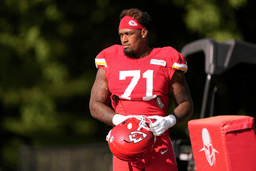
Patrick Mahomes Refuses to Wear LGBT-Themed Captain Patch During Transgender Awareness Week, Igniting Major NFL Controversy
According to multiple team sources, Mahomes informed the Chiefs and the NFL earlier in the week that he would participate fully in all football-related responsibilities, but he would not wear a patch that he believed “doesn’t belong on a football uniform.” While the league has frequently promoted inclusivity campaigns, this is the first time Mahomes has publicly declined a symbolic gesture encouraged by NFL leadership.
His words — calm but firm — spread like wildfire across social media:
“I respect everyone. But I won’t wear a patch that represents a movement I don’t believe should be part of football. The game should unite us, not divide us.”
Within minutes, Mahomes became the center of one of the most polarizing debates of the NFL season.
A Country Immediately Divided
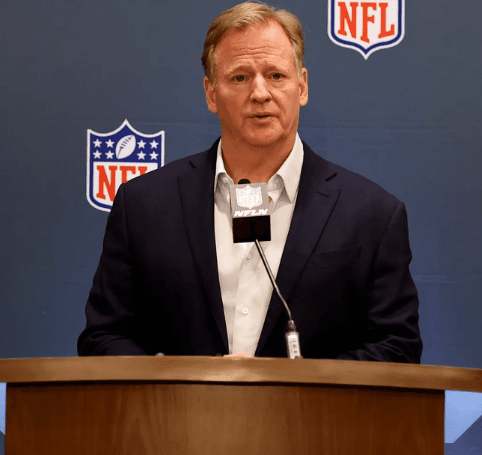
Critics erupted across national media networks, calling his stance “disappointing,” “tone-deaf,” and “a missed opportunity for leadership.” Several LGBTQ+ advocacy groups accused him of “sending a harmful message” and urged Commissioner Roger Goodell to respond.
But Mahomes also received massive support from another segment of fans. Many praised him for “having a backbone” and refusing to “participate in forced activism.” Hashtags #StandWithMahomes and #KeepPoliticsOutOfFootball began trending within the hour.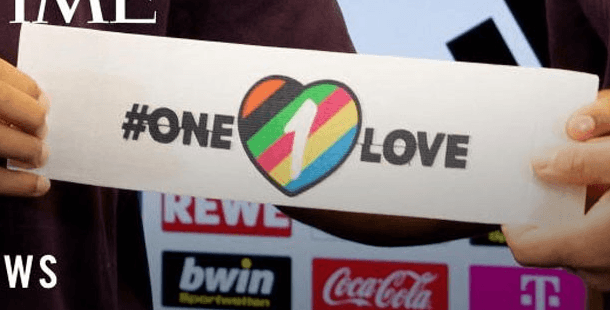
Inside the Chiefs Locker Room
Sources inside the Chiefs organization say players reacted with a mix of surprise and respect. Head coach Andy Reid chose not to escalate the situation, telling reporters:
“Everyone has the right to their own beliefs. Our focus is football — that’s where we keep our energy.”
Teammates largely avoided public comment, though insiders report that the locker room remains unified, with no major disruptions to team chemistry.
The NFL Faces a Delicate Decision
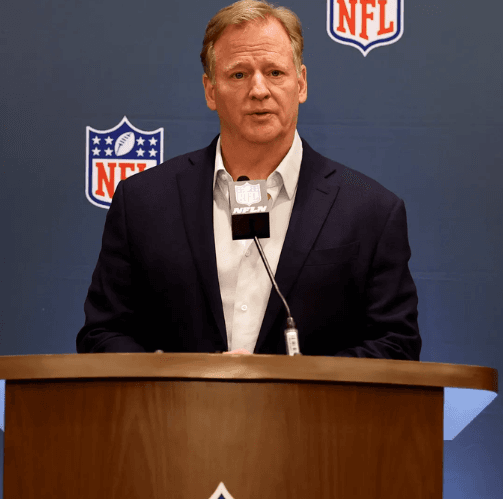
The league has not announced whether Mahomes will face discipline, but the situation places NFL leadership in a difficult position. Goodell has repeatedly emphasized inclusivity, yet the NFL has historically avoided punishing players for private beliefs unless they violate conduct policies.
Doing nothing risks backlash from advocacy groups. Punishing Mahomes risks inflaming millions of fans.
A Cultural Flashpoint Beyond Football
The debate has quickly expanded beyond sports, with national commentators arguing over whether symbolic gestures should be expected from athletes. Mahomes' blunt rejection — without political framing or vague wording — turned the issue into a national talking point overnight.
Is he protecting the sanctity of the game?
Or refusing to support marginalized communities at a critical moment?
Both sides continue to escalate the conversation.
What Happens Next
For now, Patrick Mahomes remains committed to preparing for Sunday’s game, avoiding further interviews and refusing to respond to the controversy.
But one thing is certain — the quarterback who normally unites NFL fans has now unintentionally become the face of one of the biggest cultural debates of the 2025 season.
May You Like

Patrick Mahomes Faces a Harsh Reality: His MVP Race Has Faded, but the Chiefs Still Believe They Can Salvage the Season
Xavier Worthy Added to Week 11 Injury Report, Chiefs Face Critical Broncos Showdown