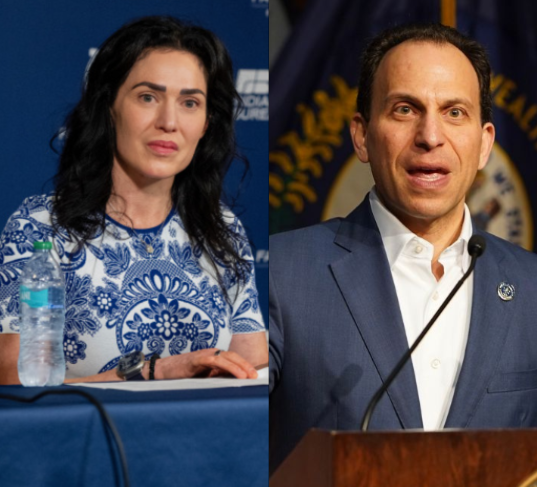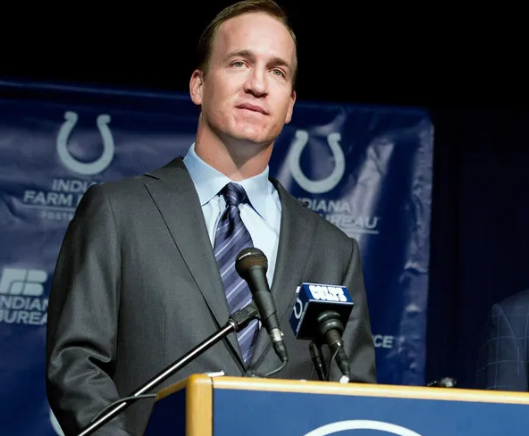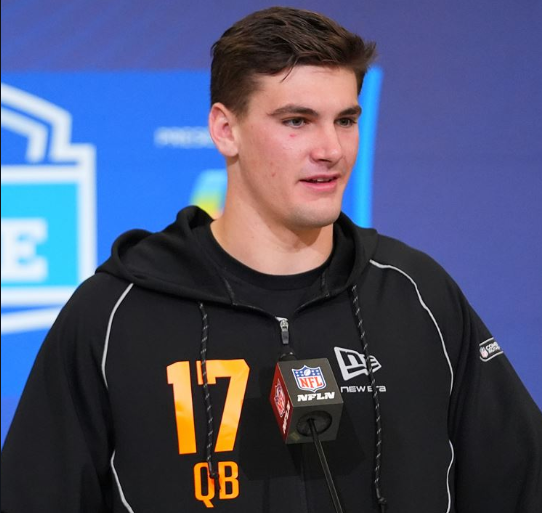
Indianapolis, Indiana – A stunning twist has shaken the NFL landscape after Carlie Irsay-Gordon reportedly secured 25 out of 32 team votes to relocate the Indianapolis Colts to Kentucky.
At first, the move appeared inevitable, signaling a bold new chapter for the franchise outside Indiana. Momentum was clearly on her side.
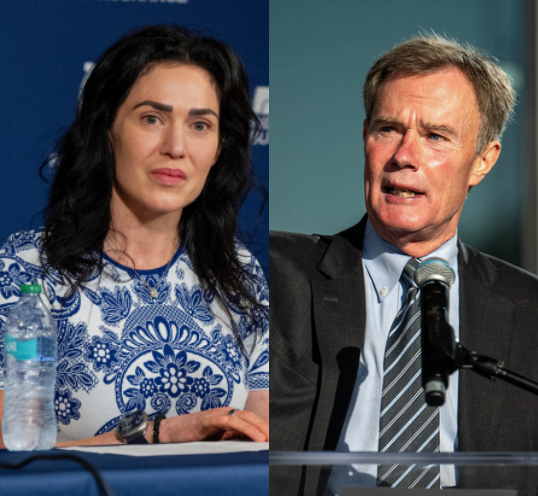
But just 12 hours later, everything changed dramatically.
In an emergency late-night meeting, Indianapolis Mayor Joe Hogsett delivered what insiders are calling a decisive “trump card” that stunned ownership and stakeholders alike.
According to sources close to the situation, Hogsett revealed a confidential agreement already secured with a powerful coalition of local business leaders tied to the Colts.
This coalition had quietly committed to investing hundreds of millions of dollars into a state-of-the-art sports and entertainment complex in downtown Indianapolis.
The proposed development would not only modernize facilities but also position the city as a long-term NFL powerhouse hub.
“We cannot let this team leave,” Hogsett declared firmly during the meeting. “I’m presenting a once-in-a-generation opportunity for Indianapolis and the future of this franchise.”
“If the Colts stay, we will build a world-class complex and elevate this organization into one of the most iconic brands in American sports.”
However, what ignited immediate controversy was not just the proposal itself, but the terms attached to it.
Under the agreement, a select group of stakeholders would receive profit-sharing incentives reaching up to 30 percent over the next decade from the new development.
That clause quickly divided the ownership structure.
Roughly half of the Colts’ stakeholders shifted their stance almost instantly, now demanding the team remain in Indianapolis to capitalize on the deal.
The remaining stakeholders, however, reacted with frustration and suspicion.
Many viewed the agreement as a calculated political maneuver designed to retain control over the franchise’s future while limiting its independent growth potential.
“We cannot allow off-field politics to dictate the future of this team,” Irsay-Gordon said following the meeting, visibly frustrated.
“The Colts deserve the freedom to grow, compete, and evolve without being tied down by external interests that may not align with long-term success.”
The backlash spread rapidly across the Colts fanbase and the broader NFL community.
Supporters expressed concern that the franchise was becoming more of a political and economic asset rather than a purely competitive football organization.
Others argued the proposal prioritized short-term financial gain for select stakeholders over the team’s sustainable future.
What began as a relocation story has now evolved into a high-stakes power struggle involving politics, business, and the identity of an NFL franchise.
The Colts now stand at a crossroads.
Will they pursue independence in a new market, or remain in Indianapolis under a deal that could redefine their future in ways both promising and controversial?
One thing is certain — this situation is far from over, and the reaction from Colts Nation is only just beginning.